Source Seed Bomb for Flower and Green Plant for Garden Home
Compare 30 seed bomb for flower and green plant options from verified suppliers. Find products with customizable shapes, various plant types, and suitable for indoor or outdoor decoration.
Key considerations
Products List


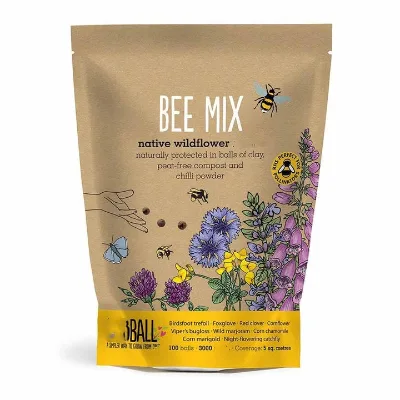
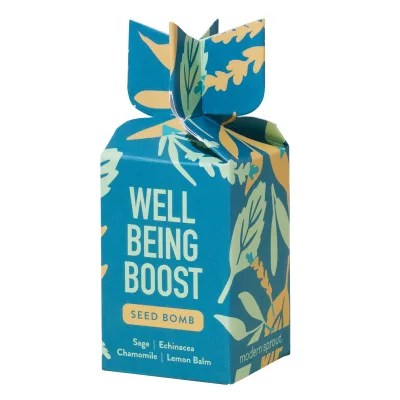
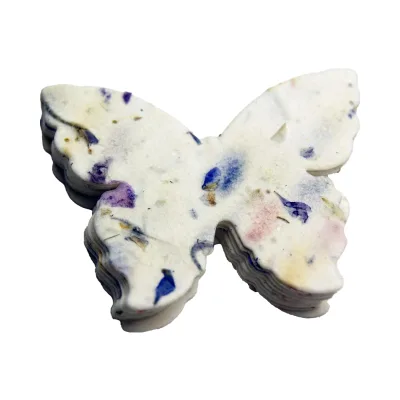




Comprehensive Sourcing Guide
Strategic Sourcing Guide for Seed Bomb Procurement
The global market for seed bombs, particularly those designed for flowers and green plants, has evolved from a niche gardening curiosity into a significant B2B category driven by urban greening initiatives, corporate sustainability programs, and the expanding gift retail sector. For procurement professionals, sourcing these items requires a nuanced understanding of the intersection between agricultural biology and commercial manufacturing. The core product, often referred to as seed balls or seed bombs, consists of a mixture of seeds, clay, and organic nutrients encased in a protective coating. This guide provides a disciplined framework for evaluating suppliers, verifying technical specifications, and ensuring compliance for buyers seeking high-quality seed bomb solutions for commercial distribution.
Technical Specifications and Product Variability
When initiating a search for seed bombs, buyers must first navigate the significant variability in product specifications. The supplied data indicates that the market offers products ranging from "Small" to "Middle" sizes, with specific model numbers such as "seed ball 17," "seed peper-9," and "bomb ball-0488-10." These identifiers often correspond to distinct formulations or seed mixes. A critical observation in the current supply landscape is the diversity in physical dimensions. For instance, one standard configuration is listed as 3.5 inches by 3.5 days (likely a transcription of a time-based or specific dimension metric), while another standard is explicitly defined as 1.5 inches wide by 4 inches high by 1.5 inches deep. Another variation measures 5 inches wide by 6 inches high by 4 inches deep.
Buyers must verify the exact dimensions of the single package size, which can vary significantly, such as the 12x1.2x20 cm specification observed in certain listings. The shape is another variable; while some products are spherical, others offer "Customized Shape" options to align with specific branding or functional requirements. The surface treatment is a crucial technical differentiator. The majority of the observed products are "Un-Coated" or "Not Coated," which implies a direct contact between the seed mixture and the soil environment. However, buyers should confirm if this lack of coating affects the shelf life or germination rate, as some advanced formulations may utilize specific biodegradable coatings to enhance protection.
The botanical content is equally diverse. The product listings reference specific plant types including Norway Spruce, Royal Poinciana, and Blue Jacaranda, alongside general categories like "Flower/Green Plant" and "Fruits and Vegetables." The expected blooming period is noted as "Summer" for certain mixes, while others are marketed as "All-Season" solutions. The sunlight exposure requirements are typically listed as "Full Sun" or a combination of "Full Sun" and "Partial Shade." Procurement teams must ensure that the seed mix selected aligns with the intended deployment environment, whether it is an indoor decoration setting or an outdoor public space.
Compliance, Certification, and Regulatory Standards
In the B2B sector, compliance is not merely a formality but a prerequisite for market access and liability management. The supplied data highlights that some suppliers hold ISO certification, which serves as a baseline indicator of quality management systems. However, buyers should not assume that all listed products carry this certification. The verification of ISO status must be conducted on a per-supplier basis, as the presence of a certification on a product page does not guarantee that every unit in a bulk order adheres to the same standards.
Beyond general quality certifications, buyers must investigate agricultural and phytosanitary regulations specific to the destination market. Seed products are subject to strict import controls in many jurisdictions to prevent the spread of invasive species and plant diseases. While the supplied text mentions the origin as "China" and specifically "Fujian, China," it does not provide specific phytosanitary certificate details. Procurement professionals must request documentation proving that the seeds have been treated or inspected according to the regulations of the importing country.
The "prod_standard" field in the data lists various dimensional standards, but these do not equate to safety or agricultural standards. Buyers should verify if the products meet specific national or international standards for organic gardening materials or soil amendments. If the product is marketed as a "Gift" item for commercial stores, packaging standards regarding child safety and labeling accuracy become paramount. The "Customized" nature of the product packing allows for branding but requires strict adherence to labeling laws regarding seed content, germination rates, and planting instructions.
Cost Drivers and Pricing Structures
The pricing landscape for seed bombs is highly volatile, with observed ranges spanning from $0.17 to $200,000 USD. This extreme variance suggests that the "price" metric in some listings may represent the total value of a large-scale project or a specific high-end kit rather than the unit cost of a single seed bomb. The lower end of the spectrum likely reflects bulk commodity seed balls, while the upper end may include complex kits, such as the "Easily Grow 4 Types of Bonsai Trees Kit," which involves specialized packaging, multiple seed varieties, and potentially additional horticultural tools.
The Minimum Order Quantity (MOQ) is a significant cost driver, with observed ranges from 1 to 5,000 units. Suppliers offering low MOQs (e.g., 1 unit) often charge a premium per unit to cover setup and handling costs. Conversely, suppliers requiring high MOQs (e.g., 5,000 units) may offer significant economies of scale. Buyers must balance their inventory needs against the per-unit cost. The "Customized" nature of the product, including logo placement and specific packaging, introduces additional cost variables. Customization typically increases the unit price and may extend the lead time.
Weight is another factor influencing logistics costs. A specific product listing notes a weight of 40 grams. While this seems light, the density of the clay and seed mixture can vary, affecting shipping costs. Buyers should calculate the total landed cost, including freight, duties, and insurance, rather than focusing solely on the ex-works price. The "Power Source" being listed as "Manpower" suggests that the production process is labor-intensive, which can impact pricing stability and scalability.
Typical Applications and Market Segmentation
Seed bombs are versatile tools with applications spanning multiple commercial sectors. The data explicitly identifies "Gifts Stores" as a key commercial buyer segment. In this context, seed bombs are often sold as novelty items or eco-friendly gifts, leveraging their "Modern" and "Farmhouse" design styles. The "All-Season" attribute makes them suitable for year-round retail, while the "Indoor/Outdoor" usage capability expands their utility to home decor and office landscaping.
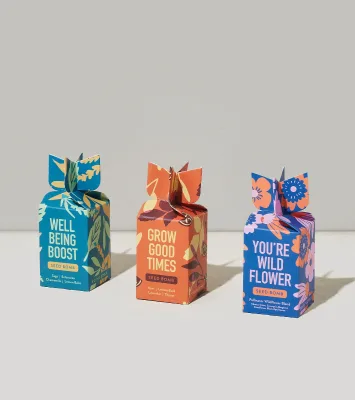
For the "Wall, Desktop, Floor, Home, Garden" application segments, the product serves as a low-maintenance solution for greenery. The "Pollinator Beebom Seedbom" variant specifically targets environmental conservation efforts, appealing to organizations focused on biodiversity and pollinator support. The "Natural Wildflower Seed Bomb Ball" is ideal for large-scale land restoration projects or community gardening initiatives.
The "Usage" category also includes "Indoor Decoration," which requires specific attention to the plant types selected. For indoor use, buyers must ensure the seeds selected are suitable for lower light conditions or that the product is marketed with the expectation of outdoor placement. The "Country" and "Modern" styles indicate that aesthetic appeal is a key driver in the consumer market, influencing the design of the seed bomb itself and its packaging.
Supplier Evaluation and Sourcing Strategy
Evaluating suppliers in the seed bomb sector requires a rigorous due diligence process. The data indicates that the "Brand" can be "Plant Fun" or "fun," but buyers should not rely on brand names alone. Instead, focus on the supplier's ability to deliver consistent quality and customization. The "Customization" attribute is available, meaning suppliers can tailor the product to specific needs, but this requires clear communication of requirements regarding seed mix, size, and packaging.
Buyers should verify the "Place of Origin" and ensure that the supply chain is transparent. The data points to "Fujian, China" as a specific origin, but buyers must confirm the factory location and audit the production facilities if possible. The "Shelf Life" of greater than 12 months is a critical performance metric that must be verified for every batch, as seed viability can degrade over time. The "Storage Method" is listed as "Normal," but buyers should inquire about specific storage conditions required to maintain the 12-month viability, such as temperature and humidity controls.
When comparing suppliers, use a structured evaluation matrix that includes criteria for product specifications, certification status, customization capabilities, and logistical reliability. The "Model Number" system (e.g., "seed ball 25," "seed peper-6") can be used to track specific product lines and ensure consistency across orders.
Quality Control and Long-Term Procurement Considerations
Quality control in the seed bomb industry hinges on germination rates and product consistency. Since the "Surface Treatment" is often "Un-Coated," the integrity of the seed mixture is paramount. Buyers should request sample batches to test germination rates under controlled conditions before committing to large orders. The "Expected Blooming Period" of "Summer" must be validated to ensure the product performs as advertised in the target climate.
Long-term procurement considerations include the stability of the supply chain and the ability to scale. The "MOQ" range of 1 to 5,000 units suggests that suppliers cater to both small and large buyers, but buyers should negotiate terms that allow for flexible ordering as market demand fluctuates. The "Customized" packing option offers a competitive advantage but requires robust quality control to ensure branding accuracy.
Buyers should also consider the environmental impact of the product. The "Plant or Animal Product Type" includes various trees and flowers, and the sourcing of these seeds should align with sustainability goals. The "ISO" certification, if present, can serve as a proxy for environmental management, but specific verification of sustainable sourcing practices is recommended.
In conclusion, sourcing seed bombs for flowers and green plants requires a balanced approach that considers technical specifications, regulatory compliance, cost efficiency, and supplier reliability. By adhering to the evidence-based guidelines outlined above, procurement professionals can mitigate risks and secure high-quality products that meet the diverse needs of the modern market. The key lies in rigorous verification of all claims and a strategic partnership with suppliers who demonstrate transparency and consistency in their offerings.
FAQs
What customization options are available for seed bombs?
Customization is available for logos, packaging, and shapes. Buyers can request specific designs like customized shapes or tailored packing to align with branding needs, though this may affect lead times and unit costs.
How long is the shelf life of these seed bombs?
The shelf life exceeds 12 months under normal storage conditions. This viability period applies to the standard seed ball formulations, but buyers should verify specific storage requirements to maintain germination rates over time.
Which certifications do the manufacturers hold?
Some suppliers hold ISO certification as a baseline for quality management. However, not every listed product carries this certification, so buyers must verify the status on a per-supplier basis before placing bulk orders.
Can these seed bombs be used indoors and outdoors?
Yes, the products support both indoor and outdoor usage. They are suitable for indoor decoration as well as outdoor applications like gardens, provided the specific plant types match the sunlight exposure requirements of full sun or partial shade.
What is the minimum order quantity for these items?
The minimum order quantity ranges from 1 to 5000 units depending on the supplier. Lower MOQs often carry higher per-unit costs, while higher volumes may offer economies of scale for bulk procurement needs.
Where are these seed bombs manufactured?
The products originate from China, with specific mentions of Fujian as a place of origin. Buyers should confirm the exact factory location to ensure supply chain transparency and verify any regional logistics implications.
How are the seed bombs packaged for shipping?
Packaging is available in customized formats to suit specific branding or functional requirements. Dimensions vary by model, such as 12x1.2x20 cm for single packages, and the surface treatment is typically un-coated for direct soil contact.